Blog
Boiler Not Working? Safe Checks to Make Before Calling an Engineer
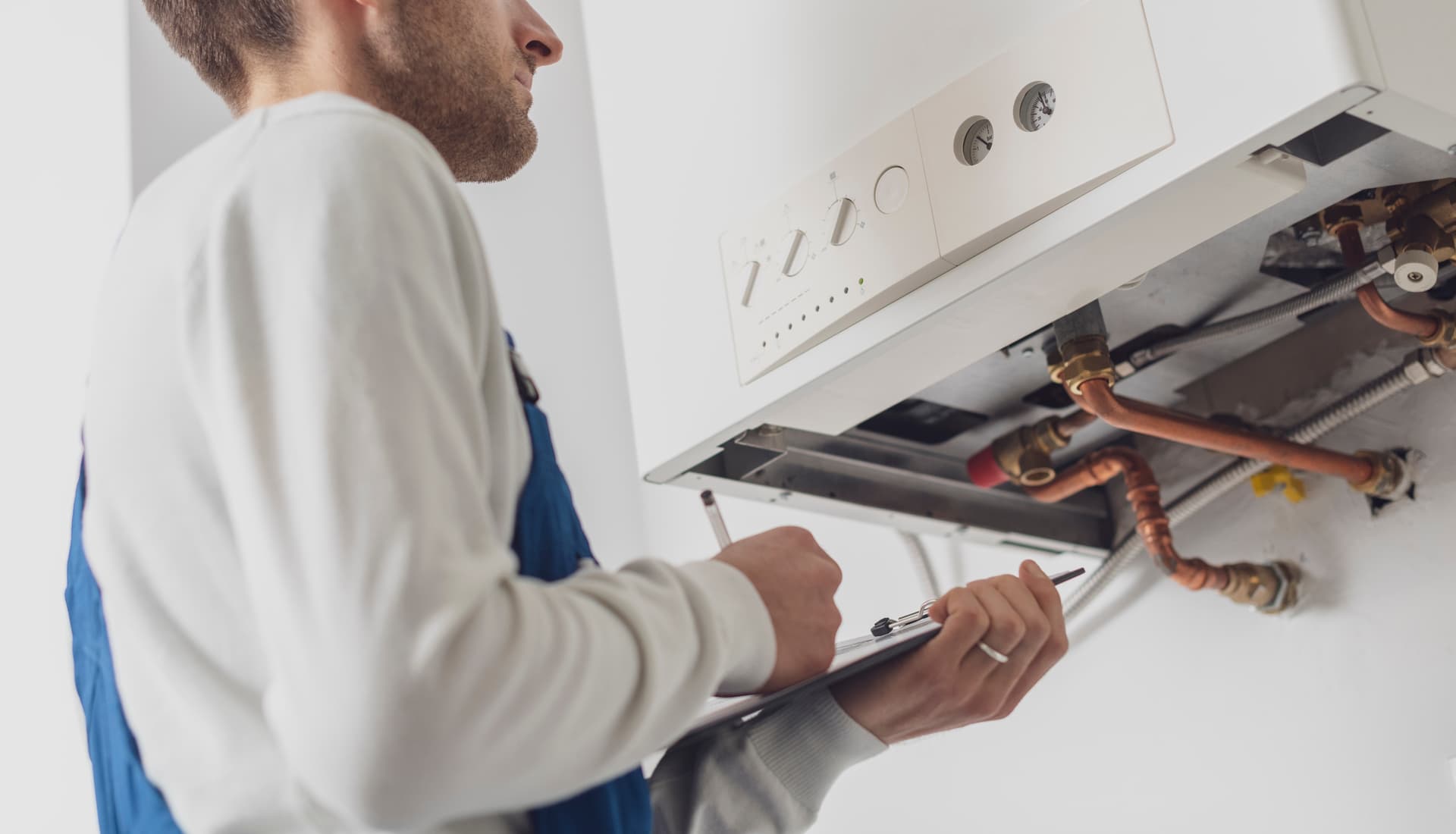
Before arranging a repair, it can help to establish exactly what the boiler is doing. A clear description of the fault may help us understand what needs checking, while a few basic checks can rule out a control setting or power issue. The important boundary is not to open the boiler casing or attempt work on gas or internal electrical components.
Start with the controls
Check the room thermostat and programmer. Make sure the thermostat is set above the current room temperature and that the heating schedule is asking for heat. If the display is blank, check whether the control has a simple power switch or user-replaceable batteries, following its instructions.
For hot water, check whether the timer or control is set to provide it. If heating and hot water are both affected, note that. If only one is affected, record which one. This distinction gives an engineer a more useful starting point than simply saying the boiler has stopped working.
You can also check the boiler’s user display for an error code or warning symbol. Write down the exact code and take a photograph if that is easier. The meaning can differ between models, so avoid guessing at the cause or repeatedly resetting the appliance. If the manual gives a reset instruction, follow it only as written. If the fault returns, stop there and report what happened.
Look, listen and note what has changed
Without removing any covers, look for water around the boiler or nearby pipework. Do not touch wet electrical equipment or try to tighten or dismantle fittings. If there is a visible leak, switch the boiler off only if you can do so safely, and explain where the water is coming from when you call.
Pay attention to what happens when you request heating or hot water. Does the display change? Does the boiler start and then stop? Is there an unusual noise, or does it remain completely inactive? Note when the problem began and whether it affects heating, hot water or both. These observations are useful; they do not require you to diagnose the fault.
If the boiler has a pressure display or gauge, you can read and record what it shows. Do not add water to the system unless the instructions for your specific boiler explain the process and you are confident following them. Incorrectly adjusting pressure can create another problem, and the displayed reading alone does not identify the underlying fault.
Know when not to investigate
Do not remove the boiler casing, touch internal wiring, disconnect pipework or try to repair a gas component. Those checks and repairs belong with a suitably qualified professional. A boiler can look straightforward from the outside while containing components that require proper testing.
If you smell gas, do not operate electrical switches or use a naked flame. Leave the property and contact the gas emergency service from outside. If a carbon monoxide alarm sounds, or anyone feels unwell and suspects carbon monoxide, get everyone outside and seek emergency help. Do not use the boiler again until it has been checked by a qualified professional.
Give the engineer useful information
When you get in touch, describe the symptoms rather than offering a diagnosis. Share any error code, whether the issue affects heating or hot water, any visible leak, and what happened after following the boiler’s user instructions. Mention any checks you made and whether the problem changed. This helps avoid confusion and keeps attention on the fault itself.
For an overview of our Boiler Repairs, see the service page. Here at Mustang Hydroheat, we can use the details you have gathered to understand the problem and arrange the appropriate next step. If you are unsure whether a check is safe, leave it alone and tell us what you have noticed.
Other Articles