Blog
Why Is My Radiator Cold at the Bottom?
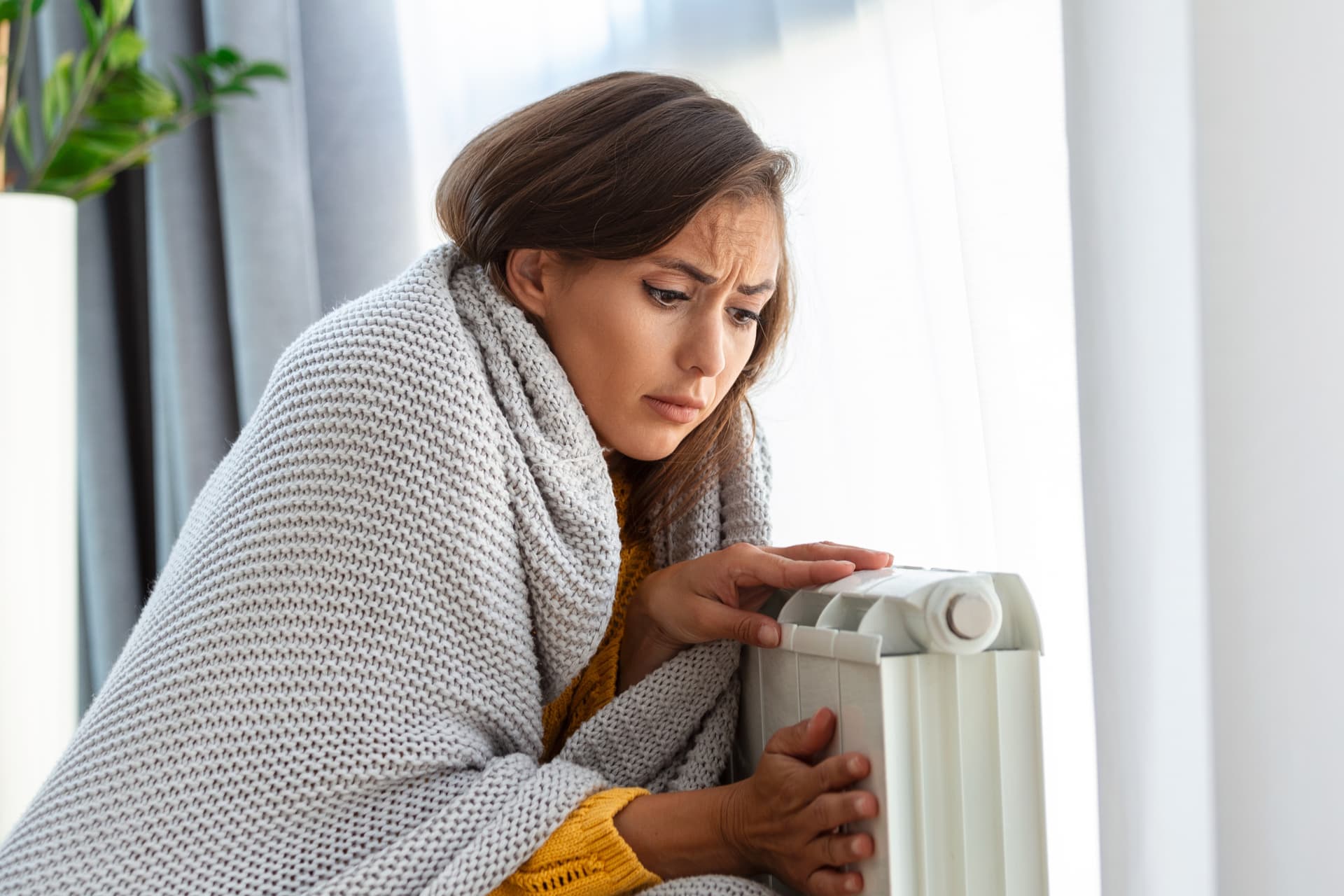
A radiator that feels warm across the top but noticeably cooler at the bottom is giving you a useful clue, but it does not prove exactly what has gone wrong. The pattern, whether other radiators are affected and how the system behaves all help narrow down the cause.
You can make a few safe observations before arranging a repair. They will not replace proper fault-finding, but they can help you describe the problem clearly and avoid trying a fix that does not match the symptoms.
Check the pattern before changing anything
When the heating has been running and other radiators are warming up, carefully feel across the surface of the affected radiator. Avoid touching exposed hot pipework. Is the lower section cool across most of the radiator, or is the temperature uneven in one small area? Is the whole radiator cool, or is the top warm while the bottom stays cold?
Then compare it with other radiators. If several have a similar cold area at the bottom, the cause may relate to circulation or deposits within the wider system. If only one radiator is affected, the issue may be more local, such as a valve that is not allowing enough water through. These are clues, not a diagnosis: more than one fault can produce similar symptoms.
Make a note of whether the problem is constant or changes when the heating is on. Also note any unusual noises, such as banging or gurgling, and whether the radiator takes much longer to warm than the others. This information helps an engineer understand the fault without relying on a single touch test.
Cold at the bottom is not the same as trapped air
Trapped air more commonly leaves the upper part of a radiator cool, because air collects above the water. A cool lower section can instead be consistent with restricted circulation or material settling inside the radiator. That material can block hot water from reaching parts of the radiator, so those areas stay cooler.
Neither pattern is conclusive on its own. For example, a radiator that is cool throughout might not be receiving enough hot water, while a valve problem or hot water not moving around the system properly can affect how quickly it warms. Bleeding a radiator simply because it is not heating evenly may not address a cold lower section. If there is no air at the top, bleeding is unlikely to remove deposits from the bottom, and it can alter the system pressure on some types of system.
Safe checks you can make at home
Check that the radiator’s controls have not been turned down or closed. If it has a thermostatic radiator valve (the numbered temperature control), make sure its setting is not restricting heat. Do not force a stuck control or remove the valve head to investigate inside it. You can also check whether the same room is colder than others and whether the problem affects one radiator or several.
If your heating system has a pressure gauge, you can read it and note the reading. Do not assume one target reading suits every system: follow the instructions for your boiler and heating system. Do not remove the boiler casing, adjust gas components or attempt to open sealed parts of the system. If you are unsure what a control does, leave it alone and describe it when you contact an engineer.
Avoid adding chemicals or attempting to flush the system yourself. The right response depends on the system and the actual cause. A treatment intended for deposits will not correct a faulty valve, and changing a valve will not clear a blockage elsewhere in the circuit.
When to arrange a repair
Arrange a professional assessment if the cold area remains, several radiators have similar symptoms, the heating performance is getting worse or you are repeatedly needing to alter the system. Seek help sooner if you notice a leak, a strong gas smell or another safety concern. Do not try to investigate a suspected gas fault yourself.
When we assess a central heating fault, the important question is not simply whether one radiator feels cold. It is where the heat is being lost and whether the cause sits at that radiator or elsewhere in the system. That distinction helps identify a repair that addresses the fault, rather than treating only the visible symptom.
For homeowners in Irchester and Northampton, our Central Heating Repairs page explains the service. If you contact Mustang Hydroheat, sharing which radiators are affected, where they feel cold and any unusual noises gives us a clearer starting point.
Other Articles