
Blog
How Long Does Boiler Installation Take? What Your Home Changes
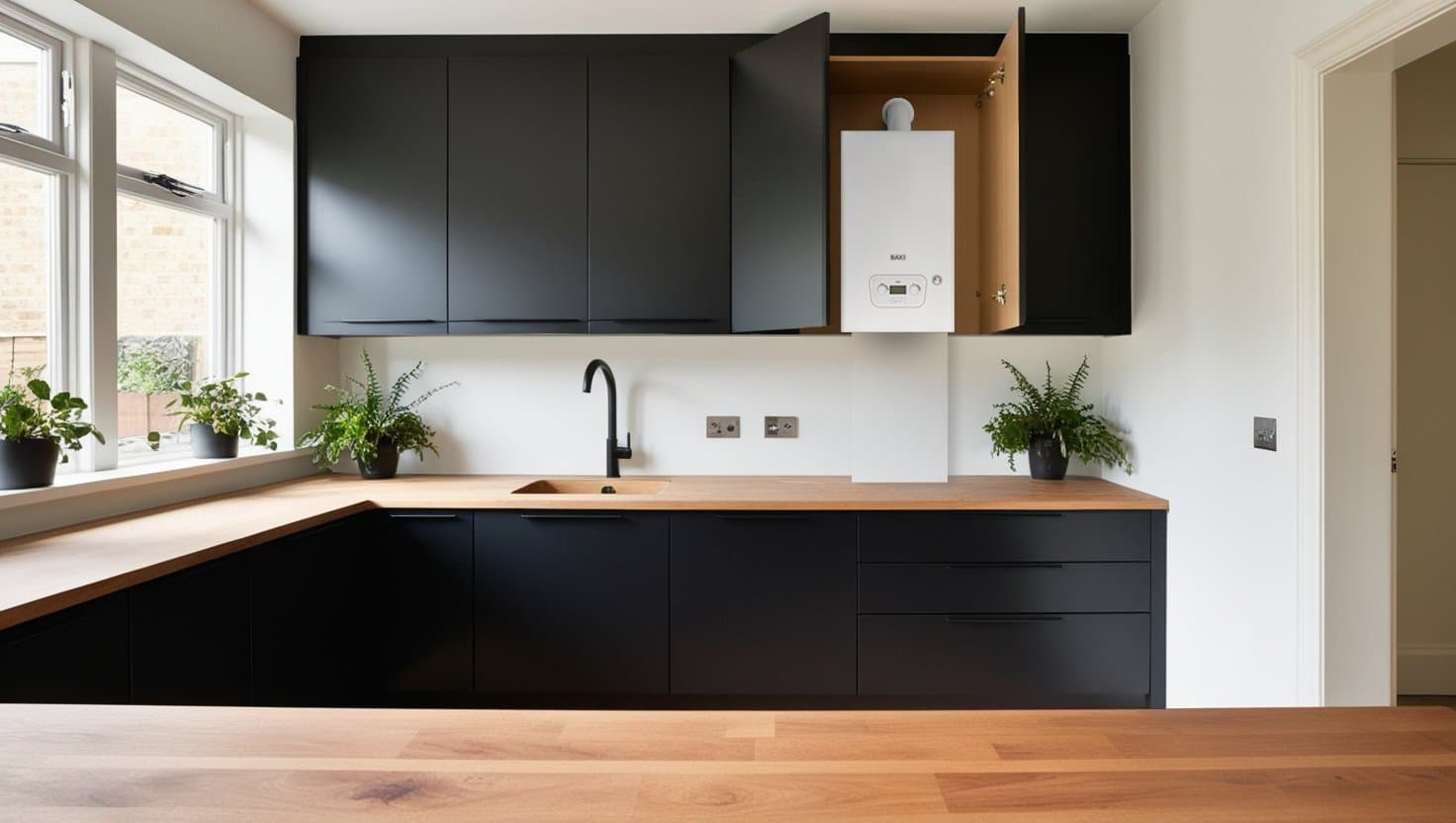
A boiler replacement is not always a simple swap. Two homes getting the same model can involve very different work because the existing heating system, boiler position and hot water arrangements all matter.
If you are planning a boiler installation in Northampton or Irchester, these details help explain why a firm timescale depends on a proper assessment. They also help you understand what to ask before work starts. For a concise overview of our service, see Boiler Installation.
Start with the system you already have
The first distinction is whether the new boiler will serve the same kind of system as the old one. A like-for-like replacement generally avoids some of the changes involved in switching between a combi, system or regular boiler. But “like-for-like” does not automatically mean identical work: the condition and arrangement of the existing connections still matter.
A combi heats water as you need it, so it does not use a separate hot water cylinder. Moving to one from a system with a cylinder may mean changes to pipework and the removal or disconnecting and removing equipment that is no longer needed. It also makes mains water flow especially important, because the boiler has to supply hot water directly when taps are running.
A system boiler works with a hot water cylinder. That arrangement can suit a household that draws hot water from several outlets, but the cylinder needs suitable space and connections. A regular boiler also uses stored hot water, with additional pipes and tanks to supply and manage the water. Replacing one of these systems with a different type can add work beyond fitting the boiler itself.
Boiler position affects access and connections
Keeping the new boiler in the same place may reduce the amount of alteration needed, but the position still has to work for the new appliance and its routes for the exhaust gases and boiler waste water. A proposed move can involve longer runs, new holes through walls, and changes to water, gas or heating pipes. The route matters as much as the destination: a clear path through accessible spaces is different from one that needs boxing, lifting flooring or working around fitted units.
Access also affects how easily the existing boiler and surrounding connections can be reached. A boiler inside a cupboard, in a loft or behind other fixtures may require more preparation than one with clear working space. That does not mean the installation cannot be done; it means the layout needs to be included in the assessment rather than guessed from the appliance model alone.
Pipework and heating controls can change the scope
The new boiler has to work with your home's heating pipes, not just produce hot water. Existing pipe sizes, connection locations, radiator layout and system condition can all influence what needs attention during a replacement. If the boiler type is changing, the pipework may need alterations to suit the new arrangement.
Controls matter too. A change to the boiler or system can affect how the heating is controlled, and any proposed control changes should be understood before the work begins. Ask what is staying, what is being changed and whether the plan includes the parts needed to operate the system as intended.
Think about how your household uses hot water
The number of bathrooms alone does not tell you which system is right. Consider whether people often shower or use taps at the same time, whether you rely on stored hot water, and whether the current arrangement regularly runs short. Those habits can point towards keeping a cylinder-based system or considering a combi, but the available mains flow and the property’s pipework still need to support the choice.
This is where a survey is useful. We can consider the existing setup alongside how you use heating and hot water, rather than judging the job by the boiler alone. We are Gas Safe registered, and our heating work includes boiler installation across Northampton and surrounding areas.
What to clarify before agreeing the work
Before the installation is booked, ask for the proposed boiler type and position to be stated clearly. Check whether the plan is a replacement of the existing setup or a system conversion, what pipework or controls are changing, and whether the routes for exhaust gases and boiler waste water are included in the scope. It is also sensible to discuss access, furniture or cupboard contents that need moving, and how the work area will be used while the installation is under way.
These questions make the expected disruption easier to understand. They also help identify changes that could affect the scope before the engineer arrives, rather than discovering them once the old appliance is disconnected.
There is no reliable single duration for every boiler installation. The more closely the new boiler fits the existing system and position, the fewer changes may be needed. A conversion, relocation, awkward access or pipework alterations can add stages. If you are considering a replacement in Northampton or Irchester, speak to us about your property and the existing system so we can assess what the work involves.
Other Articles


